We are Zargars.
We've seen how surprised people get once they actually shift part of their workflow to AI.
The problem is that adoption is still slow. Models are changing very fast. What was frontier a few months ago can already feel old today. But companies don't change at the same speed.
Epoch Capabilities Index (ECI)
Live data from Epoch AI — Epoch Capabilities Index.
That's the gap we see.
A lot of businesses are using AI, but very few are actually rebuilding the way they work around it. That's what we want to help with.
We move businesses from traditional software and manual workflows toward intelligent, agentic workflows.
We want to understand where intelligence actually changes the way the system works. And once we put it into a real workflow, we measure what changed.
We care about the numbers — time saved, cost reduced, revenue created, or simply work that didn't need to be done by a human anymore.
Why Zargar?
Zargar means goldsmith. It's a Persian word.
A goldsmith takes raw material and patiently works on it until it becomes something valuable.
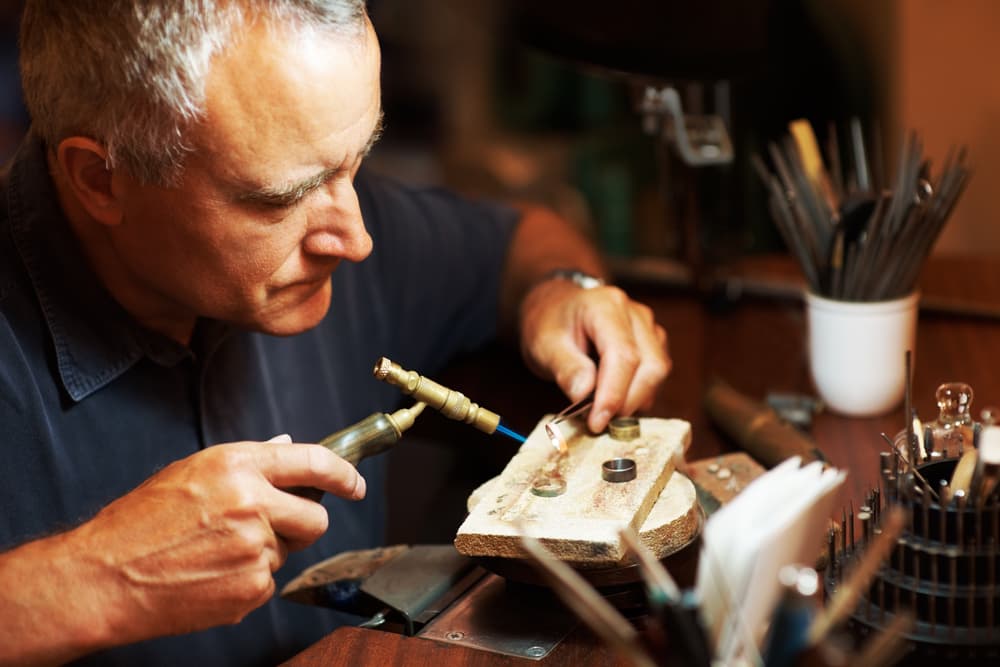
We see data, context, institutional knowledge and workflows in the same way.
The real work is understanding the business, connecting everything together, and turning that capability into something useful.
Current models are extremely accessible.
Someone sitting in a rural village can use the same frontier models and build something that changes his whole community.
That changes how competition works.
The frontier is no longer geographically constrained.
There is no waiting for AI to arrive in Tashkent, New York, or anywhere else.
The models are already available.
The question is who adapts faster.
We didn't come into this only because AI became popular.
We were coding before this wave. We've built software, worked with models, trained them, and worked with infrastructure and software architecture.
That background shapes how we look at AI today.
We don't want to just experiment with what these models can do.
We want to put them into real workflows, see what changes, measure it, and keep refining.
That's why we call ourselves Labs.